Stop Gum Recession Before It Worsens
Periodontal disease treatment in Sacramento for swollen gums, persistent bleeding, and receding tissue
Dr. Mojahedi provides periodontal disease treatment designed for patients facing gum inflammation, pocket formation, and bone loss that threatens tooth stability. You may notice bleeding when you brush, gums that pull away from your teeth, or persistent bad breath that does not respond to mouthwash. To help you fully understand your condition, we use intraoral cameras to take clear, detailed pictures of cavities and plaque buildup so you can see exactly what is happening inside your mouth. This service addresses the bacterial infection beneath the gum line that ordinary cleaning cannot reach, using customized scaling and root planing techniques to restore your foundation and keep your natural teeth healthy for a lifetime.
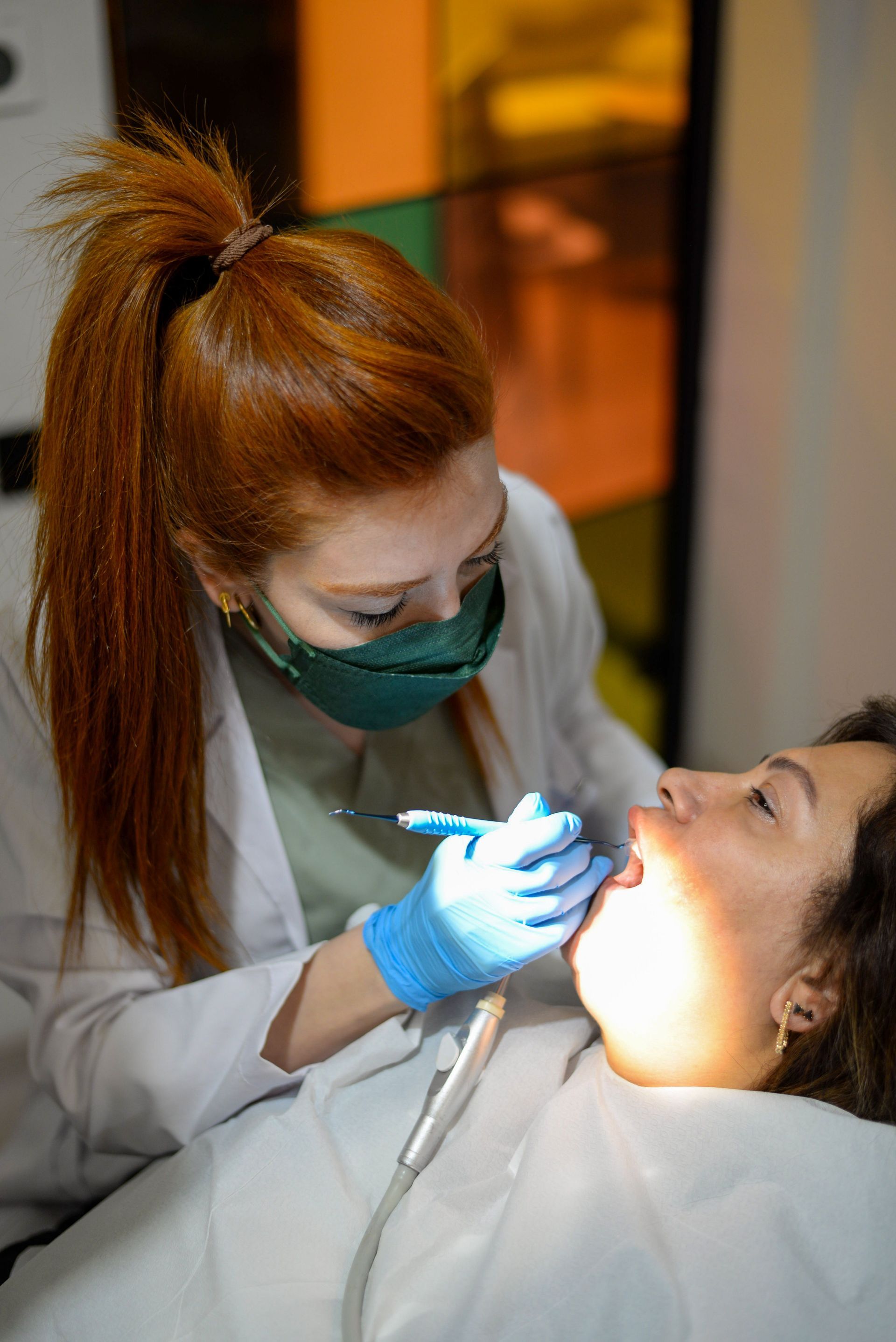
Periodontal disease develops when plaque hardens into tartar below the gum margin, creating pockets where bacteria thrive and damage connective tissue. Without intervention, these pockets deepen, the bone supporting your teeth deteriorates, and teeth become loose. Treatment removes the bacterial colonies, smooths root surfaces to discourage reattachment of harmful organisms, and allows gum tissue to reattach to cleaned tooth surfaces.
If you are experiencing gum tenderness or notice that your teeth appear longer than they used to, scheduling an evaluation in Sacramento ensures you receive a targeted approach before the disease progresses to advanced stages.
What Happens During and After Periodontal Therapy
The deep cleaning process begins with a thorough examination, measuring pocket depths around each tooth to identify areas where bone loss has occurred. Using intraoral cameras and digital scanners, Dr. Mojahedi shows you the exact cavities and tartar buildup so you can clearly see what is happening inside your mouth, because educating you is our number one goal. You receive local anesthesia for complete comfort while gentle ultrasonic scalers (Piezo technology) and specialized instruments remove calculus and biofilm from root surfaces below the gum line. Targeted antibiotic therapy (Arestin) eliminates remaining bacteria to promote optimal tissue reattachment.
After treatment, you will notice reduced bleeding during brushing and a firmer feel to your gum tissue as inflammation subsides. Pockets that measured four or five millimeters shrink to healthier depths as tissue heals and reattaches to the clean root surface. Dr. Mojahedi monitors your healing at follow-up visits, re-measuring pocket depths to confirm improvement and determining whether additional sessions are needed to protect your dental foundation.
Depending on the extent of the condition, treatment may be completed in a single visit or divided across multiple sessions by quadrant. Maintenance cleanings every three to four months are often recommended after active therapy to prevent reinfection and keep your smile healthy for a lifetime. This service does not include surgical grafting or regenerative procedures, which are referred to specialists when bone loss is too severe for nonsurgical methods.
Common Questions About Gum Disease Care
Patients often want to know what signs indicate the need for treatment beyond routine cleaning, how long healing takes, and what daily habits support long-term gum health.
What signs indicate I need periodontal treatment instead of a regular cleaning?
You need periodontal therapy when pocket depths exceed three millimeters, gums bleed easily, or X-rays show bone loss around tooth roots.
How long does it take for gums to heal after scaling and root planing?
Most patients see noticeable improvement in two to four weeks as swelling decreases and tissue begins to reattach, though complete healing may take several months.
Why do I need more frequent cleanings after periodontal treatment?
Bacteria repopulate treated pockets more quickly in patients with a history of gum disease, so cleanings every three months remove new deposits before they cause inflammation again.
What tools are used to remove tartar below the gum line?
Clinicians use hand scalers with thin, sharp tips and ultrasonic scalers that vibrate at high frequency to break apart hardened deposits without damaging root surfaces.
Can periodontal disease come back after treatment?
Yes, without consistent home care and regular maintenance visits, bacteria will recolonize pockets and inflammation will return, especially if you have risk factors like smoking or diabetes.
If you have been told your gums need more than a standard cleaning, or if you are concerned about tooth mobility or gum recession, reaching out to Dr. Mojahedi for an assessment allows you to address the infection before tooth loss becomes inevitable.